Scholars International Academy

Student Life

extracurricular activities in Sharjah schools

Top extracurricular activities in Sharjah schools 

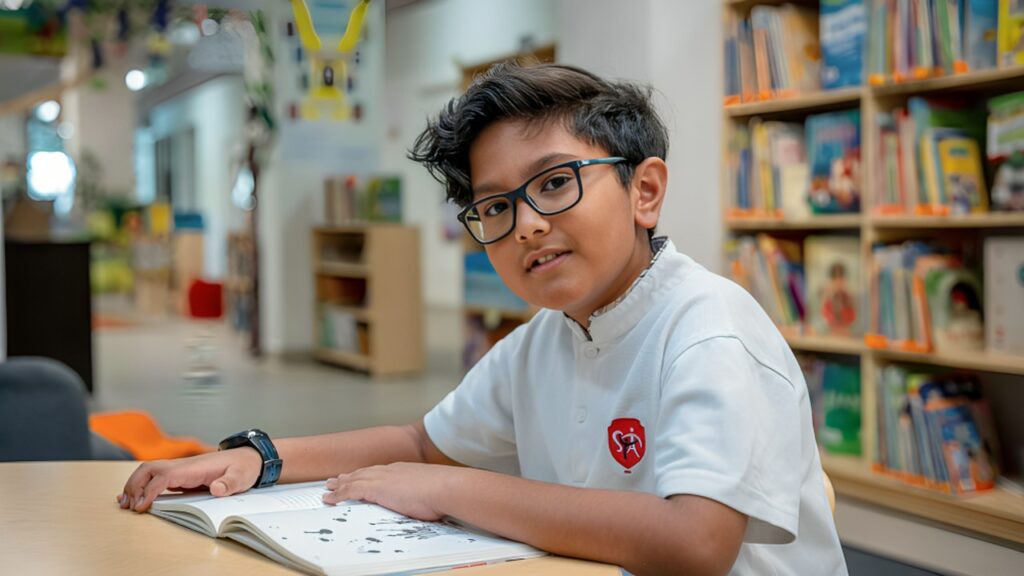
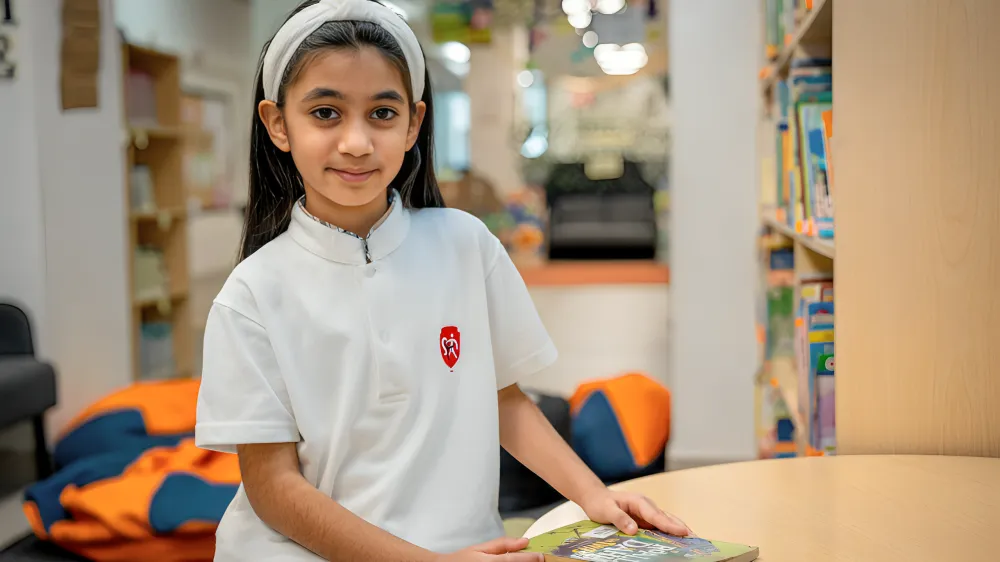
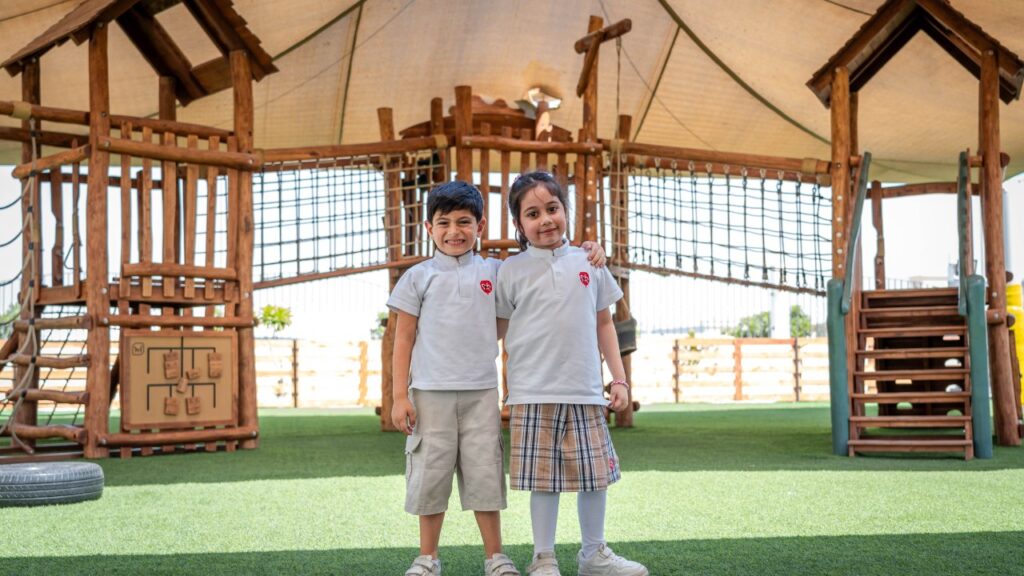
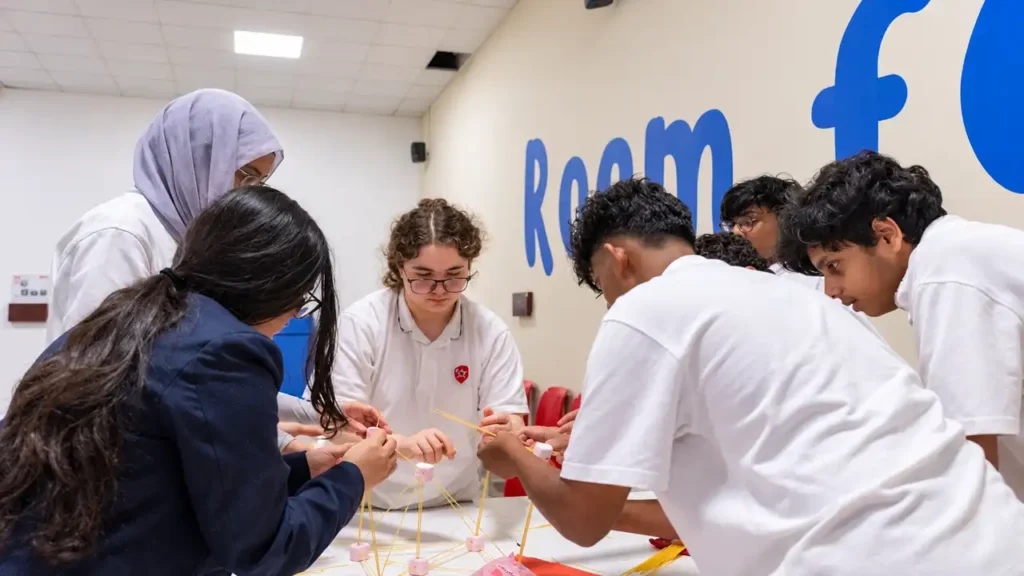
From the sports field to the debating club, extracurricular activities in Sharjah schools shape confident, capable young people who thrive far beyond the classroom. A strong academic record opens doors, but it is the friendships, resilience, creativity, and leadership built through clubs, teams, and creative pursuits that truly prepare students for life. This guide explores the value of these programmes, the wide range on offer, and how the right balance helps every child grow into a well-rounded, self-assured learner. Why Extracurricular Activities in Sharjah Schools Matter Education is about far more than examinations. The best British schools embrace holistic education, nurturing the whole child through experiences that develop character, curiosity, and confidence. Extracurricular activities in Sharjah schools give students the chance to discover hidden talents, pursue genuine passions, and learn lessons that no textbook can teach. These programmes also protect wellbeing. Physical movement, creative expression, and time spent with like-minded friends reduce stress and build a sense of belonging. For families who value holistic education UAE-wide, a rich extracurricular offering is often just as important as strong academic results when choosing a school, which is why a strong extracurricular programme deserves such careful attention. The Wide Range of Activities on Offer British schools are known for the breadth of their programmes, ensuring there is something for every interest and personality. The variety of sports and clubs Sharjah families can access through extracurricular activities in Sharjah schools is genuinely impressive. Sports Teams and Physical Development Competitive and recreational sport teaches teamwork, discipline, and resilience. From football and swimming to athletics and basketball, sports teams give students the chance to represent their school, set personal goals, and build lifelong healthy habits. Regular physical activity also sharpens focus and supports better performance in the classroom. Clubs, Societies, and Creative Pursuits Beyond the sports field, a thriving network of clubs caters to almost every passion. Coding, robotics, debating, chess, drama, and environmental societies allow students to explore interests in a supportive, social setting. These clubs build confidence and communication skills while turning simple curiosity into genuine expertise. The Arts Programme A vibrant arts programme covering music, visual art, drama, and dance gives students a powerful outlet for self-expression. Performing in a concert or exhibiting artwork builds courage and pride, while the creative process itself nurtures problem-solving and emotional intelligence that carry into every area of learning. Developing Character and Life Skills The real magic of extracurricular activities in Sharjah schools lies in the personal growth they inspire. The co-curricular activities British schools offer are carefully designed to develop character alongside talent. Leadership and Responsibility Whether captaining a team, running a club, or mentoring younger pupils, students gain authentic opportunities to lead. Leadership roles teach responsibility, decision-making, and empathy, giving young people the confidence to take initiative and inspire others around them. Life Skills for the Future Time management, collaboration, perseverance, and resilience are all strengthened through extracurricular commitments. These life skills are exactly what universities and employers value most, and they are best learned through real experience rather than instruction alone. Long running STEM clubs and projects, for example, ask students to plan, test and refine their work over several weeks. How Activities Support Academic Success Far from being a distraction, a balanced programme actively strengthens learning. This is why after school activities are so important to a child’s overall development. The Link Between Extracurricular Activities in Sharjah Schools and Learning Research consistently shows that engaged, active students achieve more. Extracurricular activities in Sharjah schools build the focus, motivation, and self-belief that translate directly into academic progress. Approaches such as High Performance Learning (HPL) recognise that character and cognition grow together, so enrichment beyond lessons reinforces classroom achievement rather than competing with it. Confidence, Balance, and Wellbeing A child who feels capable in one area carries that confidence into others. Balancing study with the after school activities Sharjah schools provide helps students manage their time, avoid burnout, and develop a healthy, sustainable approach to both work and rest. The Scholars International Academy Approach Scholars International Academy places genuine value on developing well-rounded students, offering a rich and varied programme that complements its academic strengths. Through its extracurricular activities at SIA, students are encouraged to try new things, take healthy risks, and find the pursuits that light them up. To understand what sets the school apart, our guide on Scholars International Academy explores its distinctive, student-centred approach in more detail. Frequently Asked Questions What extracurricular activities do British schools in Sharjah offer? British schools typically offer a broad mix of sports teams, creative clubs, performing and visual arts, academic societies, and leadership programmes. The range of extracurricular activities in Sharjah schools is designed so that every child, whatever their interests, can find something they love and excel at. Why are after-school activities important? After-school activities develop the skills, confidence, and friendships that classroom learning alone cannot provide. They support physical health, emotional wellbeing, and social development, while teaching valuable life skills such as teamwork, resilience, and time management that benefit students for years to come. How do clubs support learning? Clubs deepen curiosity and turn interests into real understanding. By exploring subjects in a relaxed, hands-on setting, students build focus, communication, and problem-solving skills that carry directly into their academic work and strengthen their overall engagement with school. Final Thoughts on Extracurricular Activities in Sharjah Schools Well-rounded students are not built by lessons alone, and thoughtfully designed extracurricular activities in Sharjah schools give children the confidence, character, and life skills to flourish. By balancing strong academics with sport, the arts, clubs, and leadership, a British education nurtures the whole child. With its caring, enriching environment, Scholars International Academy helps every student discover their potential and step into the future ready for anything.

Top extracurricular activities in Sharjah schools  Read More »
back to school tips

Back to School Tips: Preparing Your Child for a Successful New Year

The end of the summer holiday brings a familiar mix of excitement and nerves, and a little planning turns that transition into a confident fresh start. The right back to school tips help children settle faster, ease into their routines, and walk through the school gates feeling ready rather than rushed. This guide brings together practical, parent-tested back to school tips covering routines, supplies, emotions, and everything in between, so your family can begin the new year calm, organised, and prepared. Why Early Preparation Makes All the Difference Children thrive on predictability, and easing them back into structure before day one prevents the shock of a sudden change. Starting your new school year preparation a week or two early gives everyone time to adjust gently, rather than scrambling on the night before term begins. Preparation also builds a sense of ownership, helping your child feel involved and excited about the year ahead instead of anxious about the unknown. The most effective back to school tips all share one principle: start gently, and start early. Rebuilding the Daily Routine Before Day One A steady routine is the foundation of a smooth term, and rebuilding it takes a few thoughtful days. These simple school routine tips make the shift feel natural rather than forced. Reset the Sleep Schedule Summer nights tend to stretch late, so gradually restoring an earlier sleep schedule is one of the most valuable steps you can take. Move bedtime and wake-up time earlier by fifteen minutes each day until you reach the school-term rhythm. A well-rested child concentrates better, manages emotions more easily, and adapts to the classroom far more comfortably. Reintroduce Structure Gradually Alongside sleep, bring back the small anchors of a school day. Practise morning routines, sit down for meals at regular times, and set aside a quiet slot for reading or quiet play. Rehearsing the rhythm in advance means the first real morning feels familiar rather than overwhelming. Practical Back to School Tips for Getting Organised Organisation removes stress, and the most useful back to school tips are often the simplest. Getting the practical details sorted early frees you to focus on the emotional side of the transition. Sort School Supplies and Uniform Take stock of what your child already has and what needs replacing. Buying school supplies early avoids last-minute shortages, and labelling everything clearly saves countless lost items later. Try the uniform on well before term starts so there is time to exchange sizes, and set out the first-day outfit the night before to remove any morning panic. Build a Back-to-School Checklist A written back to school checklist keeps the whole family on track. Include stationery, a water bottle, a lunch bag, the correct uniform and PE kit, any required documents, and the school’s timings and location. Ticking items off together turns preparation into a shared, reassuring ritual rather than a source of stress. Check our UAE school calendar 2026-2027 for key term dates and holidays, and confirm the dates with your child’s school before adding them to your family planner. Set Sensible Screen Time Limits Holidays often loosen the rules, so easing back into balanced screen time before term helps enormously. Reintroduce limits gradually, protect the hour before bed as a screen-free wind-down, and replace some scrolling with reading or hands-on activities. A calmer relationship with screens supports better focus and sleep once school begins. Easing First-Day Nerves With Confidence Emotional readiness matters just as much as practical preparation. A few reassuring back to school tips can transform first day nerves into genuine excitement. Talk Openly About Worries Give your child space to share what is on their mind, and listen without dismissing their feelings. Naming a worry often shrinks it, and reminding them of familiar friends, favourite subjects, and kind teachers helps replace anxiety with anticipation. Back to School Tips for a Calm First Morning Prepare everything the evening before, wake up with time to spare, and keep the goodbye warm but brief. A relaxed, unhurried morning sets a positive tone, and a confident send-off reassures your child that the day ahead is something to look forward to. Preparing Younger Learners in the Early Years The youngest children need a gentler, more playful approach, so the usual back to school tips work best when softened to suit their age. For families whose little ones are entering the Early Years Foundation Stage, focus on short, positive conversations about school, plenty of reassurance, and playful practice of simple routines like putting on shoes or packing a bag. Familiarity is the goal, so visiting the school beforehand, reading stories about starting school, and celebrating each small step build genuine confidence. How Scholars International Academy Supports a Strong Start A supportive school makes the transition far smoother, and Scholars International Academy is known for the warm, structured welcome it gives every returning and new student. Experienced teachers, clear communication, and a caring community help children settle quickly and feel at home from the very first day. If you are still weighing your options, our guide on How to Choose a British School in Sharjah is a helpful starting point, while Sharjah School Timings will help you plan mornings around the exact school day. Pairing these back to school tips with the right school gives your child the confident start they deserve. Frequently Asked Questions How do I prepare my child for the new school year? Start early by easing back into routines, resetting the sleep schedule, and sorting supplies and uniform in advance. Talk positively about the year ahead, involve your child in the preparation, and rehearse the morning routine so day one feels familiar. Preparing your child for the new school year gradually is the surest way to build calm confidence. What should be on a back-to-school checklist? A good back to school checklist covers stationery, a water bottle, a labelled lunch bag, the correct uniform and PE kit, any required school documents, and the term dates and timings. Preparing everything a week

Back to School Tips: Preparing Your Child for a Successful New Year Read More »

eyfs in sharjah

Understanding the 7 Areas of Learning in the EYFS Framework

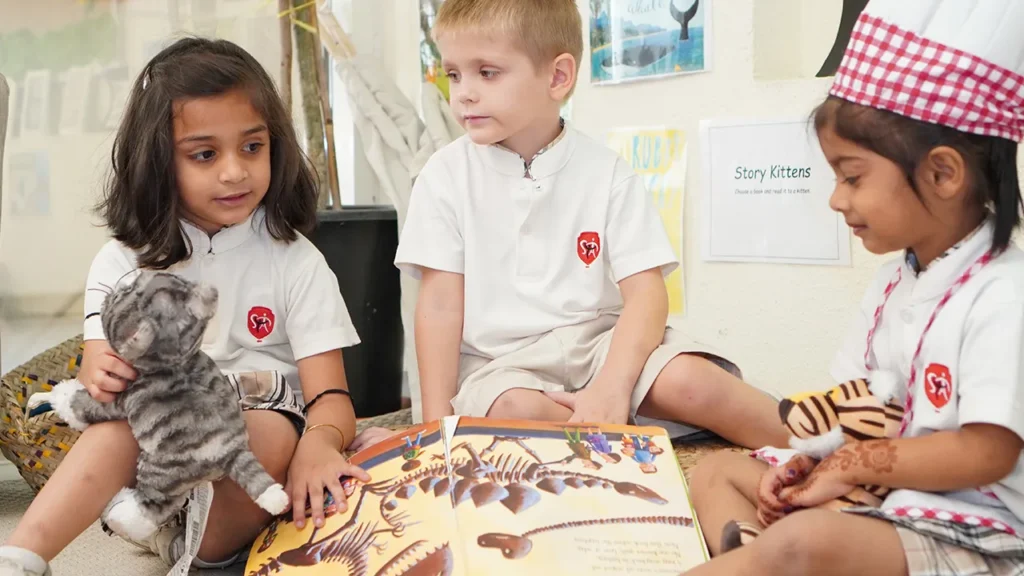
Every activity in an Early Years classroom, from a sand tray to a story circle, is planned around the seven areas of learning in EYFS. The Early Years Foundation Stage framework groups a child’s development into three prime areas and four specific areas, and teachers use them to plan, observe and support each child between the ages of three and five. This guide explains what each area covers, how the areas connect, and what parents can expect to see at home as their child moves through FS1 and FS2. What the EYFS Framework Is The EYFS is the statutory framework for children from birth to five within the British curriculum. It sets out the learning and development goals, the assessment points and the welfare standards that Early Years settings follow. Instead of fixed subjects, it describes areas of development, because young children learn through play, conversation and repeated hands on experience rather than through timetabled lessons. Schools that follow the British curriculum apply the same framework across FS1 and FS2. At Scholars International Academy, the EYFS nursery at SIA (FS1 and FS2) is built on this structure, with the seven areas shaping how classrooms are set up and how each day flows. The Three Prime Areas The prime areas are the foundations. They develop first and fastest, and every other kind of learning depends on them. Communication and Language This area covers listening, attention, understanding and speaking. Children learn to follow instructions, ask questions, retell stories and take part in conversations. Story time, songs, role play and simple daily routines, such as talking about the weather or what is for snack, all build vocabulary and the confidence to use it. Personal, Social and Emotional Development Here children learn to manage feelings, build friendships, take turns and become more independent. Teachers model how to share, wait and solve small disagreements calmly. A settled child who feels safe in the classroom is far more willing to try new things, which is why this area is treated as the heart of the Early Years. Parents who want to see how this looks in practice can join a Stay and Play session and watch children interact in a real setting. Physical Development Physical development has two sides. Gross motor skills come from climbing, running, balancing and outdoor play. Fine motor skills come from threading, cutting, pouring and holding a pencil. Both matter for writing later on, since a child who cannot yet control small movements will find letter formation frustrating. The Four Specific Areas The specific areas build on the prime areas and introduce the knowledge and skills that lead directly into the National Curriculum in Year 1. Literacy Literacy in the EYFS means early reading and writing. Children begin with rhymes and sounds, move on to recognising letters and blending them into words, and then start writing simple words and captions. Many British curriculum schools, including SIA, use a structured phonics programme such as Read Write Inc from FS2 so that reading develops in a clear, predictable sequence. Mathematics Early mathematics is practical. Children count objects, compare sizes, sort by colour and shape, recognise numbers to 10 and then 20, and begin to understand patterns and simple addition through games. The goal is a deep understanding of number, not memorised sums. Understanding the World This area introduces science, geography, history and technology in an age appropriate way. Children explore nature, observe changes in weather and seasons, learn about their own families and community, and compare different ways of life. In the UAE, this often includes national celebrations, local culture and the environment around the school. Expressive Arts and Design Painting, music, dance, construction and imaginative play all sit here. Children experiment with colour, texture, sound and movement, and learn to share ideas through what they make. Expressive work also feeds the other areas, since a child describing a model they built is practising language and confidence at the same time. How the Seven Areas Work Together The areas are not taught separately. A single activity usually touches several at once. Building a bridge with blocks involves physical control, mathematical thinking about size and balance, language as children negotiate, and personal development as they cooperate. Teachers plan the environment and activities so that children meet all seven areas of learning in EYFS across the week, then observe and record what each child can do. These observations shape the next steps for every child. At the end of FS2, the Early Years Foundation Stage Profile records whether a child has reached the expected level in each area, which gives Year 1 teachers a clear picture of where to begin. Children who leave the stage able to listen, share, hold a pencil and recognise sounds are ready for the more formal learning that follows. What Parents Can Do at Home Supporting the seven areas does not require worksheets. Talking about the day, reading together every evening, counting steps on the stairs, cooking, drawing and outdoor play all contribute. Giving children small responsibilities, such as putting shoes away or helping to set the table, builds independence and confidence. For families with younger children, a nursery that follows the same framework, such as SIA Nursery, makes the move into FS1 much smoother because the routines and expectations are already familiar. FAQ What are the seven areas of learning in EYFS? Three prime areas: Communication and Language, Personal, Social and Emotional Development, and Physical Development. Four specific areas: Literacy, Mathematics, Understanding the World, and Expressive Arts and Design. What is the difference between prime and specific areas? Prime areas are the foundations of all learning and develop first. Specific areas build on them and introduce the skills and knowledge children need for Year 1. At what age does the EYFS apply? From birth to five. In schools this covers FS1 (ages 3 to 4) and FS2 (ages 4 to 5), after which children move to Year 1. Entry to FS1 follows the 31 December age rule for FS1,

Understanding the 7 Areas of Learning in the EYFS Framework Read More »

critical thinking skills for students

Critical Thinking Skills for Students: How to Build Them at Every Age

Critical thinking skills for students are the abilities to question information, weigh evidence, spot weak arguments and reach a reasoned conclusion. They matter in every subject, from solving a maths problem to judging whether a video online is true. The good news is that critical thinking can be taught, and parents can practise it at home through everyday conversations. What Is Critical Thinking? Critical thinking means thinking carefully about what to believe or do, rather than accepting the first answer. A well known expert consensus led by Peter Facione describes six core skills: Skill What it means Everyday example Interpretation Understanding what information means Reading a bar chart correctly Analysis Breaking an idea or argument into parts Finding the main claim in an advert Evaluation Judging how reliable a source or argument is Asking who wrote a website and why Inference Drawing a sensible conclusion from evidence Predicting what a character will do next Explanation Giving clear reasons for a view Explaining how they solved a problem Self regulation Checking and correcting their own thinking Rechecking an answer that seems too easy Why Critical Thinking Matters Today’s learners meet more information in a day than earlier generations met in a week, much of it online and some of it false. Students who can question sources, compare evidence and change their minds when the facts change are better protected against misinformation. The same skills carry into exams and careers. IGCSE and A Level questions increasingly ask students to analyse, evaluate and justify, not only recall, and the World Economic Forum’s Future of Jobs reports consistently rank analytical thinking among the skills employers value most. Science, technology, engineering and mathematics are a natural place to practise this, which is why STEM education puts so much weight on testing ideas against evidence. How Critical Thinking Develops by Age Critical thinking skills for students grow in stages: Teachers often use Bloom’s taxonomy to plan this progression. It moves from remembering and understanding towards applying, analysing, evaluating and creating, the higher order skills that critical thinking depends on. Frameworks such as High Performance Learning build on the same idea by naming the thinking skills learners practise. Critical Thinking Questions to Ask at Home The simplest way to build these skills is to ask open questions and wait for a full answer: The aim is not to catch your child out. Show that you value careful reasons more than quick answers, and admit when you change your own mind. Critical Thinking Activities for Children and Teenagers These activities make thinking visible and fun: Critical Thinking in an Age of AI AI tools can now write essays and solve problems in seconds, which makes critical thinking more important, not less. Encourage your child to treat AI answers like any other source: check them against reliable references, look for errors and ask what the tool might be missing. A useful rule at home is that AI can help with ideas or explanations, but the final thinking and the final words should be the student’s own. Critical Thinking at SIA Scholars International Academy is an HPL school in Sharjah, so learners are taught how to think as well as what to think. HPL describes a set of Advanced Cognitive Performance characteristics, including meta thinking, linking, analysing and creating, and “critical or logical thinking” sits within analysing. In Secondary, learners are given more autonomy, with a renewed emphasis on advanced critical thinking skills. In Sixth Form, the aim is for learners to form substantive, well informed opinions of their own. Outside lessons, extracurricular activities such as MUN and debate, chess and science club give learners regular chances to argue, question and test ideas. Frequently Asked Questions What are the 5 critical thinking skills? Lists vary, but most include analysis, interpretation, inference, evaluation and explanation. Many experts add self regulation: checking and correcting your own thinking. At what age does critical thinking develop? It begins in the Early Years, when children ask “why?” and make predictions, and grows through Primary. More advanced skills, such as evaluating sources and recognising bias, develop in the teenage years. How can parents improve critical thinking skills for students at home? Ask open questions, discuss the news together, play strategy games and ask your child to explain their reasoning. Valuing good reasons over quick answers matters most. Is critical thinking assessed in British curriculum exams? Yes. Many IGCSE and A Level questions ask students to analyse, evaluate or justify a view, especially in subjects such as English, History, Psychology and the sciences. To see how SIA teaches learners to think for themselves, book a tour.

Critical Thinking Skills for Students: How to Build Them at Every Age Read More »

Best British Schools in UAE

Best British Schools in UAE

Choosing the best British schools in UAE is one of the most important decisions a parent can make. In a country with a wide range of educational options, it’s essential to find a school that offers academic excellence, a strong curriculum, and a nurturing environment. Among the leading institutions, Scholars International Academy  stands out as a top-tier choice. Families across the UAE are drawn to Scholars for its exceptional standards, child-centered teaching philosophy, and its well-established reputation as one of the best British schools in UAE. Whether you’re an expat or a local family, this school provides a welcoming, high-quality educational environment for all learners. Scholars International Academy – A Top Name Among the Best British Schools in UAE Located in Sharjah, Scholars International Academy  has consistently earned its place among the best British schools in UAE. It is known for implementing the British National Curriculum in a way that is engaging, inclusive, and effective. The school’s academic reputation is complemented by a commitment to character development and global citizenship. The leadership team at Scholars is passionate about providing high standards of education through skilled teachers, modern technology, and a supportive school culture. This makes the academy a preferred choice for families seeking consistency and excellence in education. Early Years Foundation Stage Nursery at Scholars International Academy Early childhood education is a critical phase in a child’s life. At Scholars International Academy, the Early Years Foundation Stage nursery  is designed to give young learners a strong start. The nursery program follows the British Early Years framework, focusing on play-based learning and early development. Children in this stage benefit from a safe and stimulating environment where they build key skills such as communication, coordination, and emotional understanding. Through storytelling, creative play, and structured routines, the Early Years Foundation Stage nursery  prepares students for success in later school years. Teachers pay close attention to each child’s development, using assessments and observation to tailor instruction and support. This foundation is part of what places Scholars among the most respected best British schools in UAE. Why Families Choose Scholars International Academy Parents choose Scholars International Academy  not only for its academic reputation but also for the strong community and student-centered values it promotes. The school creates an inclusive environment where every child feels supported and encouraged to grow. The staff is international, well-qualified, and passionate about education. Teachers undergo regular professional development to stay up to date with the latest methodologies in British education. Scholars International Academy Fees and Value While high-quality education often comes with a price, Scholars International Academy fees are considered reasonable when compared to other institutions offering the same level of British education. The school offers transparent fee structures and ensures that families know exactly what to expect. There are options for payment plans and discounts for siblings, making the education more accessible to a wide range of families. The affordability combined with academic excellence makes the school a smart investment in your child’s future. It’s worth noting that Scholars International Academy fees include many essential services, and there are minimal hidden costs. This transparency is appreciated by parents and is part of the school’s commitment to integrity and service. Extracurricular Activities That Enrich Student Life One of the defining features of the best British schools in UAE is the importance they place on student life beyond the classroom. Scholars International Academy  offers a rich selection of extracurricular activities that help students grow socially, physically, and creatively. Students have opportunities to participate in team sports, art, drama, music, coding clubs, science fairs, and leadership programs. These experiences not only add to academic learning but also encourage teamwork, resilience, and confidence. Parent Involvement and School Culture Parental involvement is a cornerstone of the philosophy at Scholars International Academy  The school maintains open communication with families through regular newsletters, meetings, events, and workshops. Parents are encouraged to participate in their child’s learning journey. This partnership between home and school enhances the learning experience and ensures that students feel supported at all times.. FAQ – Best British Schools in UAE What are considered the best British schools in the UAE? The best British schools in UAE are those that offer the UK National Curriculum, have qualified and experienced teachers, modern facilities, and a focus on both academic and personal growth. Scholars International Academy meets all these criteria and more, making it a top choice for many families. How do I choose the best British school for my child? When choosing a school, consider factors like the curriculum offered, teaching quality, location, class size, extracurricular programs, and the school’s values. It’s also helpful to visit the school and speak with staff. Scholars International Academy  ticks many of these boxes and is known for its supportive and high-achieving environment. Which British curriculum primary schools are most popular in the UAE? There are many British curriculum schools across Dubai, Abu Dhabi, and Sharjah. Among them, Scholars International Academy  is a top choice, especially for families in Sharjah looking for a high-quality primary school that follows the British system. What curriculum do these British schools follow? Most of the best British schools in UAE follow the National Curriculum for England, which is structured in stages and culminates in recognized qualifications such as GCSEs. This curriculum is designed to provide a broad and balanced education suitable for students moving between countries or preparing for global universities. The Final : Scholars International Academy Sets the Standard If you’re searching for the best British schools in UAE, Scholars International Academy  should be at the top of your list. From its excellent Early Years Foundation Stage nursery to its comprehensive curriculum and dedicated staff, the school provides an ideal learning environment for children to grow and succeed. With reasonable Scholars International Academy  fees, a supportive community, and a proven track record, this school offers a balanced and rewarding educational experience that stands out in the UAE’s competitive academic landscape.

Best British Schools in UAE Read More »

child development milestones

Child Development Milestones from Age 3 to 5: What to Expect

Child development milestones are the skills most children reach by a certain age, such as speaking in sentences, hopping on one foot or taking turns in a game. Between ages 3 and 5, children change faster than at almost any other time, so parents often wonder what is typical. This guide sets out the main milestones at 3, 4 and 5, how they link to the British Early Years curriculum and when it is worth asking for advice. What Are Developmental Milestones? Milestones are grouped into four areas: In 2022, the US Centers for Disease Control and Prevention (CDC) and the American Academy of Pediatrics updated their checklists, so each milestone now describes what at least three quarters of children can do by that age. That makes them a useful guide, but not a deadline. Milestones at Age 3 By around age 3, many children: Milestones at Age 4 By around age 4, many children: Friendships and play become much richer at this age, which our guide to social skills for kids explores in more detail. Milestones at Age 5 By around age 5, many children: Child Development Milestones and the EYFS In the British curriculum, children aged 3 to 5 follow the Early Years Foundation Stage. Teachers observe how each child is developing across seven areas of learning, which are explained in our guide to the EYFS in Sharjah. At the end of FS2, each child is assessed against the Early Learning Goals. These cover the same ground as the milestones above, from speaking in full sentences and forming friendships to counting confidently and holding a pencil effectively. They help teachers and parents plan the move into Year 1. How to Support Development at Home Most progress comes from ordinary daily life: When to Ask for Advice Every child develops at their own pace, and many children are ahead in one area and behind in another. Speak to your child’s teacher or doctor if your child: Your doctor can carry out a developmental check and, if needed, refer you to a specialist such as a speech and language therapist. Acting early is never wasted: if there is a difficulty, support works best when it starts young. Schools can help too. At SIA, the Inclusion Department works with families when a child needs extra support, and an Individual Education Plan is created where a learner has an identified need. Child Development Milestones at SIA At Scholars International Academy, the EYFS school in Sharjah programme covers FS1 (ages 3 to 4) and FS2 (ages 4 to 5). Teachers focus on three prime areas: Communication and Language; Personal, Social and Emotional Development; and Physical Development. Four specific areas, Literacy, Mathematics, Understanding the World and Expressive Arts and Design, build on that foundation. Learning happens through a mix of free play and structured activities, with field trips to parks, libraries and museums widening children’s experience of the world. If you are planning when your child should start, our guide to school starting age in Sharjah explains the age rules. Frequently Asked Questions What are the main child development milestones at age 4? Many 4 year olds speak in sentences of four or more words, play pretend, ask to play with other children, draw a person with three body parts and catch a large ball. Should I worry if my child misses a milestone? Not necessarily. Children develop unevenly, and one missed milestone is common. Talk to your doctor if your child misses several, loses skills or you feel something is not right. What should a 5 year old know before Year 1? Many children can count to 10, recognise some letters, write part of their name, take turns in games and listen to a story for several minutes. Do boys and girls reach milestones at different ages? There can be small differences on average, but the range within each group is much larger. Focus on your own child’s progress over time. To see how SIA’s Early Years teachers support every stage of development, book a tour.

Child Development Milestones from Age 3 to 5: What to Expect Read More »