
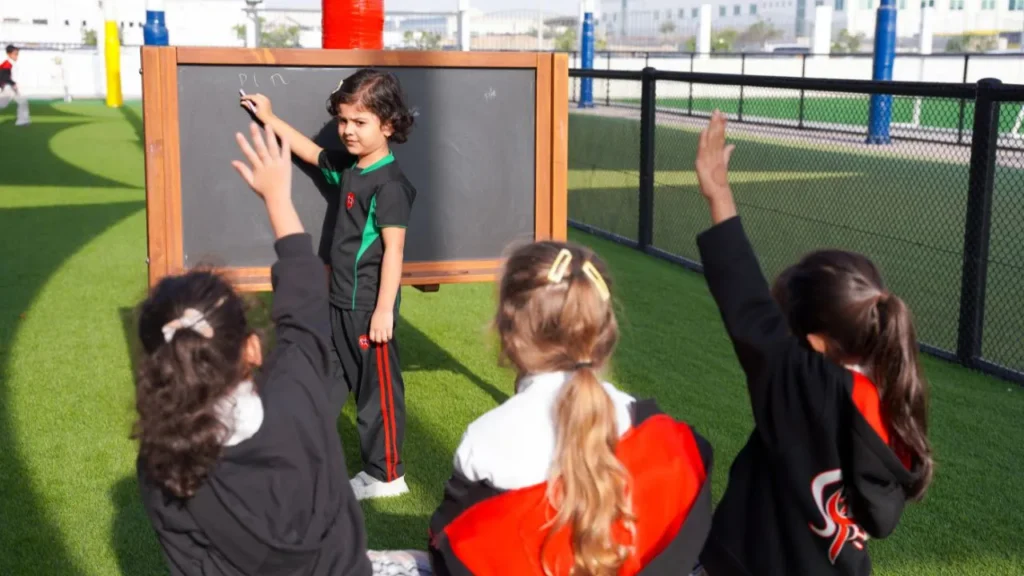
Knowing how to motivate a child to study starts with one idea: motivation grows when children feel capable, in control and connected to the people helping them, and it shrinks under pressure. This guide sets out practical ways to build it at different ages, without bribes or daily battles. It also explains what to avoid and when low motivation needs more than tips.
Why Children Lose Motivation to Study
Most children who say they do not want to study are telling you something specific. The work may be too hard or too easy, they may fear getting it wrong, they may be tired, or they may not see why it matters. Psychologists who study motivation describe three needs that help it grow:
- Autonomy: a sense of having a say in how and when work is done
- Competence: a sense of being able to do the task and improve
- Connection: a sense of being supported by the people around them
When one of these is missing, motivation drops. The ideas below target all three.
How to Motivate a Child to Study: Six Practical Ideas
1. Offer choices inside clear limits
Let your child decide the order of tasks, the study spot or the start time, while the limits stay fixed, for example homework before screens. Choice gives a sense of control without removing structure, and our guide on how to help your child with homework covers the routines that go with it.
2. Make progress visible
Children keep going when they can see they are improving. Agree one small goal a week, such as learning six spellings or finishing a reading book, and tick it off on a chart. At the end of the week, ask what got easier, not only what was finished.
3. Praise effort and strategy, not intelligence
In a well known set of studies, Claudia Mueller and Carol Dweck found that fifth graders praised for intelligence showed less persistence and enjoyment after a failure than children praised for effort. Say what you noticed, such as that your child tried a second method or checked their working. Our guide to growth mindset for kids shows how to make this a habit.
4. Connect study to what they care about
A child who loves football can practise fractions with league tables, and a child who loves drawing can plan a story as a storyboard first. Asking your child to teach you a topic also turns study into a conversation and builds the sense of connection that keeps motivation going.
5. Use rewards with care
A review of 128 studies by Edward Deci and colleagues found that rewards promised in advance tended to reduce interest in the task itself, and the effect was stronger for children than for adults. Positive feedback, by contrast, increased interest. Researchers still debate the details, so a safe rule is to celebrate effort and progress afterwards rather than offering prizes for grades.
6. Protect sleep, breaks and routine
A tired child finds everything harder, and motivation is usually the first thing to go. Keep a regular bedtime, build short breaks into study and keep evenings predictable. Our guide on how much sleep a child needs sets out what to aim for by age.
Motivating Children at Different Ages
Knowing how to motivate a child to study also means matching your approach to their age.
| Age | What works | What to watch for |
|---|---|---|
| 4 to 7 | Short, playful tasks, daily reading together, praise for trying | Long sessions and comparing with other children |
| 8 to 11 | Clear weekly goals, choice of task order, visible progress | Relying on prizes for every task |
| 12 to 14 | More control over planning, links to future interests | Daily checking and nagging |
| 15 to 18 | Ownership of study plans, support instead of supervision | Pressure that turns into stress |
For older learners, our guide to exam stress tips for students explains how to support teenagers through IGCSE and A Level seasons without adding pressure.
What to Avoid
- Comparing your child with a sibling or classmate
- Threats or punishments tied to grades
- Labels such as clever or lazy, which children start to believe
- Taking over the work when it gets hard
- Turning every conversation into a conversation about school
- Long study sessions with no breaks
When Low Motivation Needs More Than Tips
Tips on how to motivate a child to study work best when a child is able but disengaged. If your child has real difficulty with reading, writing, attention or organisation despite effort, the cause may be a learning need rather than motivation, and our guide to SEN support in Sharjah schools explains what support looks like.
Speak to the class teacher early if low motivation lasts several weeks or comes with sadness, poor sleep, worry about school or sudden changes in friendships or behaviour. A short conversation with the school often shows what is going on.
How SIA Builds Motivated Learners
Scholars International Academy follows the High Performance Learning approach, which treats high performance as something every learner can develop and builds learner ownership, so effort and progress are valued over labels.
That is the same message that works at home: ability grows with effort, and children do better when they have a say in their learning. Parents who want to know how to motivate a child to study alongside the school can ask teachers what the next step in learning is at every meeting.
Families who want to see this in practice can book a campus tour and read about student wellbeing at SIA.
Frequently Asked Questions
How do I motivate a child who does not want to study?
Start by finding out why. The work may be too hard or too easy, or your child may be tired or worried. Then offer choices, set one small goal and praise effort rather than results.
Should I reward my child for good grades?
Small celebrations after progress are fine. Rewards promised in advance for grades can reduce interest in the work itself, so praise effort and strategy instead.
What should I say instead of “you are so smart”?
Describe what you saw, for example “You tried a different method when the first one did not work.”
What if my child is motivated in some subjects but not others?
Link the weaker subject to something they enjoy, start with short tasks that they can finish and talk to the teacher about where they feel stuck.
When should I talk to the school about low motivation?
Speak to the class teacher if it lasts several weeks or comes with other changes such as sadness, poor sleep or avoiding school.