Scholars International Academy

Academics

school uniform sharjah

School Uniform in Sharjah: A Parent’s Guide

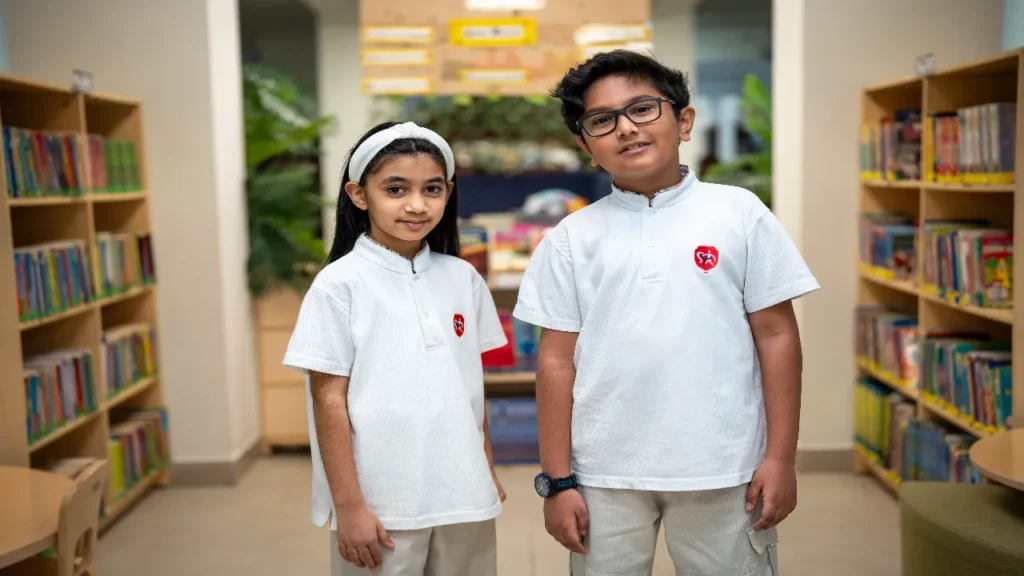
The school uniform Sharjah families buy at the start of term is usually a full pack, not just a shirt and trousers: PE kit, a jacket, a cap and specific shoes can all be required, and each school sets its own list and shop. Costs, rules and refund terms differ from one school to the next, so it helps to know what to expect before the first day. This guide explains what a pack includes, how to budget, where to buy, how to look after it and what to ask a school. What a School Uniform Pack Usually Includes Lists change by school and year group, but most packs cover these items: Check whether each item is compulsory, because some schools only allow items with the school logo. School Uniform Sharjah Costs and How to Budget A new admission pack costs more than a yearly top up, and children outgrow items quickly, so plan for replacements. This table shows what to include in a budget: Cost item How to plan Core uniform set Buy two sets so one is always clean PE kit Check whether it is worn only on PE days Jacket or hoodie Often compulsory, and often logo only Shoes May need to be bought outside the school shop Replacements Expect to replace sizes during the year for younger children Extras Caps, hair accessories, labels and a spare shirt Uniform sits beside tuition, resources and transport in the total cost, and our guide to British school fees in Sharjah shows how to compare the full figure across schools. Where to Buy and What to Ask the School Some schools run a shop on campus, others name an approved supplier. Before you buy, ask: Sharjah education authorities have in the past warned private schools against forcing parents to buy new uniforms unless the uniform itself has changed. Rules can be updated, so check the current position with the school and SPEA before paying for a full new set. Looking After the Uniform Label every item with your child’s name, wash on a routine and keep PE kit separate. Replace worn shoes early, because uncomfortable shoes affect the school day more than parents expect. Our back to school tips cover how to organise supplies and uniform before the new term. Why Schools Require a Uniform Schools give four reasons for uniforms: a shared identity, equal appearance between families, easier recognition of students on campus, and fewer distractions about fashion. For families, the practical benefit is a simpler morning routine and clear expectations. School Uniform at SIA Scholars International Academy publishes its uniform policy and prices on the School Fees page. The main points for 2026 to 2027 are: A new admission uniform pack costs about AED 860 to AED 1,110 depending on year group and gender, and the full price lists are on the School Fees page. Families comparing school uniform Sharjah policies in person can book a campus tour and see the uniform shop. Frequently Asked Questions How much does a school uniform cost in Sharjah? It depends on the school, the year group and what the pack includes. At SIA, a new admission pack for 2026 to 2027 costs about AED 860 to AED 1,110. Always ask for the full list and price before you buy. Do I have to buy the uniform from the school shop? Many schools sell logo items only through the school or an approved supplier. Ask which items can be bought elsewhere, and get the answer in writing. Can a school make parents buy a new uniform every year? Sharjah education authorities have warned against it unless the uniform design has changed. Check the school’s policy and SPEA’s current guidance. What should my child wear for PE? Follow the school’s PE policy. At SIA, the PE uniform is worn only on designated PE days. Are uniform fees refundable? It depends on the school. SIA’s uniform fees are not refundable, so check sizes and the list carefully before ordering.

School Uniform in Sharjah: A Parent’s Guide Read More »

List of best schools in Sharjah

List of Schools in Sharjah: How to Choose by Ratings, Fees and Results

Every list of schools in sharjah is built on the same public evidence: SPEA inspection ratings, external accreditation, examination results and fees. This guide shows you how to read that evidence yourself, so you can build your own shortlist instead of relying on a ranking whose method you cannot see. We are a school, not a ranking site, so we do not rank other schools here. What we do is explain each criterion, show you where to verify it, and set out openly how Scholars International Academy (SIA) measures up on every one. How schools in Sharjah are rated The Sharjah Private Education Authority (SPEA) inspects every private school under the Itqan framework and publishes an overall rating: Outstanding, Very Good, Good, Acceptable or Weak. In the latest results, published in July 2026, Sharjah’s 127 private schools were rated as follows: one Outstanding, 19 Very Good, 77 Good and 30 Acceptable, with no school rated Weak. In practical terms, Good is the standard most schools meet, Very Good places a school in the top twenty, and Outstanding is currently a single school. The overall grade is only the first line of the report. Each report also grades achievement in each phase, personal and social development, teaching and assessment, the curriculum, safeguarding and care, and leadership. Two schools with the same overall rating can look very different underneath, which is why our guide to school ratings in Sharjah walks through a full report section by section. 7 criteria that define the list of schools in sharjah 1. SPEA inspection rating and trend Look at the current rating and the one before it. A school moving from Acceptable to Good is improving; a school holding Good across two cycles is stable. Ask the school directly for its latest report. For a wider view of the sector, read our overview of private schools in Sharjah. 2. External accreditation For British curriculum schools, British Schools Overseas (BSO) accreditation means the school has been inspected against the standards used for independent schools in England, and membership of British Schools in the Middle East (BSME) adds a second layer of peer review. Ask when the last accreditation visit took place and whether it is current. 3. External examination results For a British school, compare the percentage of A* to C grades at IGCSE and A Level for the most recent year, and ask how many learners sat the exams. Results published without cohort sizes are hard to interpret. 4. Progress, not just attainment Value added measures show how much progress learners make from their starting points. A school with a strong intake can post high results while adding little; a school that adds real value shows it in externally benchmarked progress data such as GL Assessment. 5. Fees and what they include Compare the full annual cost: tuition, registration, resources, transport and external exam fees, and check sibling discounts and payment plans. Our guide to British school fees in Sharjah explains typical ranges by curriculum. 6. Class size and support Ask for the maximum class size in each phase, the number of teaching assistants in the Early Years, and how the school supports learners with additional needs and those who are ahead. Our SEN support guide for Sharjah schools lists what to ask. 7. Sixth Form and university pathways The best secondary schools give learners more than one route after Year 11. Check which A Level subjects are offered, whether BTEC or other applied qualifications are available, and where recent leavers have gone. Our comparison of BTEC vs A Levels explains how the two routes differ. List of Schools in Sharjah by What You Need “Best” depends on your child and your circumstances. Use these guides to narrow the field: By curriculum: British curriculum schools in Sharjah and how to choose a British school in Sharjah By budget: affordable private schools in Sharjah By area: schools in the Muwaileh school zone By stage: how to choose a nursery in Sharjah and secondary schools in Sharjah By support needs: SEN support in Sharjah schools How Scholars International Academy measures against the 7 criteria We apply the same test to ourselves. Every figure below links to the page where it is published. Criterion Scholars International Academy SPEA rating Good in the most recent published inspection, with Very Good judgements for learners’ personal and social development and for safeguarding, care and guidance Accreditation Accredited by British Schools Overseas (BSO), member of BSME, and the first High Performance Learning accredited school in Sharjah (2021) (BSO accredited school in Sharjah) Exam results 2025/26 A Level: 27% A* to A and 73% A* to C. IGCSE: 25% A* to A and 64% A* to C. Top of the World in AS Level Psychology and Top in the UAE in IGCSE Coordinated Sciences (IGCSE and A Level results) Progress GL Assessment value added score of 7.3, against UK and UAE averages of 0.5 and 1.85 (top school in Sharjah) Fees 2026/27 AED 23,500 (FS1) to AED 35,875 (Years 11 to 13), paid in three terms, with a 10% sibling discount (SIA school fees 2026-27) Class size and support Maximum 24 in FS1 and FS2 and 28 from Year 1 to Year 13; teaching assistants from FS1 to Year 2; dedicated inclusion provision (inclusive school in Sharjah) Sixth Form pathways Pearson Edexcel International A Levels plus BTEC International Level 3 in Business, Applied Science, IT and Sport, with Sixth Form scholarships of 20% for learners with six or more A or A* grades at IGCSE (Sixth Form in Sharjah) Questions to ask on a school tour Take this list to every school on your shortlist: 1. May I see your latest SPEA report and your accreditation certificate? 2. What percentage of last year’s IGCSE and A Level grades were A* to C, and how many learners sat the exams? 3. What is the maximum class size in my child’s year group? 4. What does the annual fee include, and what is invoiced separately?

List of Schools in Sharjah: How to Choose by Ratings, Fees and Results Read More »

how to encourage kids to read

How to Encourage Kids to Read: A Practical Guide for Parents in the UAE

Most parents want their children to enjoy books, yet reading often turns into a nightly argument once homework, activities and screens compete for attention. The good news is that a reading habit is built from small, repeatable moments rather than big efforts. This guide explains how to encourage kids to read in the primary years, how to support reading in both English and Arabic, and what to do when your child says they simply do not like books. Why Reading Habits Matter in the Primary Years Reading is the base for almost everything a child does at school. Maths word problems, science questions and history topics all depend on understanding what is written. Children who read for pleasure meet more words, see more sentence patterns and learn how stories and arguments are built, which makes every subject easier. The primary years are the best time to build the habit. Younger children are curious and still see reading as something shared with a parent. By the middle of primary school, many children have decided whether reading is fun or a chore, and that view is much harder to change later. Starting early, and keeping it light, protects their confidence. How to Encourage Kids to Read at Home Make Reading a Daily Routine Choose a fixed, short slot that fits your family: ten to fifteen minutes after dinner, or in bed before lights out. A small daily habit works better than a long weekly session. Bedtime is a natural choice, and it also helps children wind down, which supports the sleep routines covered in our guide on how much sleep a child needs. Let Your Child Choose the Book Choice is the single biggest motivator. Let your child pick books about animals, football, space, jokes or comics. A graphic novel or a magazine still counts as reading, and it builds the stamina that longer books need later. If a child abandons a book halfway, treat it as normal and move on rather than insisting they finish. Keep Reading Aloud, Even When They Can Read Alone Many families stop reading aloud once a child can decode words. That is a missed chance. Listening to a story lets children enjoy books that are more advanced than they can read independently, and it keeps reading a warm, shared moment. Take turns: you read a page, then they read a page. Use different voices and stop at an exciting point to make them want more. Build a Book Friendly Home Children copy what they see. When they watch you read a book, a newspaper or a recipe, reading looks normal and useful. Keep books at their eye level in the living room, the car and the bedroom, and visit the library together so a new stack is always waiting. A basket of favourites near the sofa often gets used more than a tidy shelf in the study. Reading in English and Arabic For families in the UAE, reading usually happens in two languages, and that is a strength. Children who read in Arabic and English build flexible language skills, but they need regular exposure to both. Make sure Arabic is not limited to school lessons: share Arabic stories at home, listen to audiobooks, and let grandparents or relatives read with your child. Our overview of Arabic and Islamic Studies in British curriculum schools shows how schools combine both languages in daily learning. If English is not your child’s first language, be patient with the early stages. Pair picture books with simple words, repeat favourite stories and talk about the pictures before reading the text. Confidence grows quickly when children feel safe making mistakes. Schools that offer structured language help can make a real difference, as explained in our guide to EAL support in schools. Matching Books to Your Child’s Stage A book that is too hard creates frustration, and a book that is too easy gets boring. Use these stages as a rough guide, and remember that every child moves at their own pace. Ages 3 to 5: picture books, rhymes, songs and stories with repeated phrases. Focus on sharing, pointing at pictures and asking what might happen next. Ages 5 to 7: short early readers, phonics books and simple chapter books. Children are learning to decode, so celebrate effort and let them re read favourites. Ages 7 to 9: longer chapter books, series, humour and non fiction about favourite topics. Series work well because familiar characters make the next book easier to start. Ages 9 to 11: richer stories, adventure, mystery and biographies. Encourage them to talk about what they read and recommend books to friends. Your child’s teacher can tell you their current reading level and suggest the next step. In a British primary school in Sharjah, reading is taught step by step through phonics in the early years, then broadened with comprehension and discussion as children grow. What to Do When Your Child Says “I Don’t Like Reading” This sentence is common, and it usually means one of three things: the books are too hard, the topics are boring, or reading feels like a test. Try these ideas: Check reading level first. Ask your child to read a page aloud, and if they stumble on more than a few words, choose an easier book. Follow their interests. A child who loves football will read about football long before they read a classic novel. Remove the pressure. Avoid quizzing them after every page, and talk about the story like a friend would. Try audiobooks alongside printed copies. Listening builds vocabulary and story sense while confidence catches up. Talk to the school if reading feels hard for a long time. Persistent difficulty with letters, sounds or tracking text may need extra support. Reading and Screens Screens are part of modern childhood, so aim for balance rather than a ban. Set clear times for devices, and keep the reading slot screen free so books are not competing with games. E books and reading apps can

How to Encourage Kids to Read: A Practical Guide for Parents in the UAE Read More »

fs1 and fs2 age

FS1, FS2 and Year 1: An Age Chart for UAE Families

If you have moved to the UAE from another country, or you are enrolling your first child, school labels can feel like a foreign language. One school says FS1, another says KG1, and a third says Reception. This guide explains the FS1 and FS2 age for each stage of a British curriculum school, shows how the year groups continue up to Year 13, and matches every stage to its American grade so you can compare schools with confidence. What Do FS1 and FS2 Mean? FS stands for Foundation Stage. It is the first part of the British curriculum and the start of the Early Years Foundation Stage, usually shortened to EYFS. FS1 is the first year of formal early education, and FS2 is the second. In England the same two years are called Nursery and Reception, but many British curriculum schools in the UAE use the FS labels because they are shorter and clearer for international families. Learning in these two years is built around play, talk and exploration rather than desks and worksheets. If you want to see what children actually learn, our guide to the 7 areas of learning in the EYFS framework explains each one in plain language. FS1 and FS2 Age: Who Goes Where? The FS1 and FS2 age is simple to remember. Children usually join FS1 at age 3 and move into FS2 at age 4. They then start Year 1 at age 5. These are typical ages. In Sharjah, the cut off date is 31 December, so a child joins FS1 if they turn 3 on or before 31 December of the admission year. Always confirm the entry rules with the school you are applying to. Our guide on the school starting age in Sharjah covers the cut off rules in detail. FS1: age 3 to 4. Children settle into a school routine, build friendships and begin early language and number skills through play. FS2: age 4 to 5. Children start learning letter sounds, early reading and writing, counting and simple number work, ready for Year 1. Year 1: age 5 to 6. Learning becomes more structured, with daily phonics, reading and maths, while play stays an important part of the day. The Full Age Chart: British Year Groups and American Grades Use this chart to match a British year group to your child’s age and to the closest American grade. Ages are the child’s age on 31 December of the admission year. Age British year group American equivalent Stage 3 FS1 Pre KG Foundation Stage 4 FS2 KG1 Foundation Stage 5 Year 1 KG2 Key Stage 1 6 Year 2 Grade 1 Key Stage 1 7 Year 3 Grade 2 Key Stage 2 8 Year 4 Grade 3 Key Stage 2 9 Year 5 Grade 4 Key Stage 2 10 Year 6 Grade 5 Key Stage 2 11 Year 7 Grade 6 Key Stage 3 12 Year 8 Grade 7 Key Stage 3 13 Year 9 Grade 8 Key Stage 3 14 Year 10 Grade 9 Key Stage 4 (IGCSE) 15 Year 11 Grade 10 Key Stage 4 (IGCSE) 16 Year 12 Grade 11 Key Stage 5 (A Levels) 17 Year 13 Grade 12 Key Stage 5 (A Levels) The pattern to notice is that a British child is usually one year group ahead of the American grade number. A child in Year 2 is in Grade 1, and a child in Year 7 is in Grade 6. School placement can vary slightly between schools, so treat this chart as a guide and confirm the exact placement with the admissions team. Why Does British Year 1 Match American KG2? This is the point that confuses most families. In the American system, formal Grade 1 begins at age 6, while the British system starts Year 1 at age 5. The British system also begins formal early education one year earlier, which is why the numbering looks shifted. A child who finishes FS2 in a British school is usually ready for Year 1, while the same child in an American school would move from KG1 to KG2. Neither route is better. They simply count the years differently, and both prepare children for the same primary stage by the end of the early years. The Key Stages Explained British curriculum schools group year groups into Key Stages, and you will see these terms in reports and school newsletters. Foundation Stage (FS1 and FS2): learning through play, with a focus on communication, physical development and personal and social skills. Key Stage 1 (Year 1 and Year 2): the basics of reading, writing and maths, with phonics at the centre of reading. Key Stage 2 (Year 3 to Year 6): wider subjects, longer pieces of writing and growing independence as children move through upper primary. Key Stage 3 (Year 7 to Year 9): the start of secondary school, with specialist subject teachers and a broad base across the curriculum. Key Stage 4 (Year 10 and Year 11): two years of IGCSE courses that lead to external exams at age 16. Key Stage 5 (Year 12 and Year 13): A Level courses, which are the main route to university worldwide. What to Expect in FS1, FS2 and Year 1 FS1 FS1 is often a child’s first full school experience. The day is short, the classroom is full of play areas, and teachers focus on helping children feel safe and confident. Children practise sharing, listening in a group, using the toilet independently and speaking in short sentences. Do not worry if your child is still learning to separate from you, because this is exactly what FS1 is designed to support. FS2 In FS2 children begin to learn letter sounds, recognise their name and write simple words. They count objects, talk about shapes and take part in longer group activities. By the end of the year, many children can read short, simple sentences. The jump from play based learning to a more structured day is gentle, and teachers keep a

FS1, FS2 and Year 1: An Age Chart for UAE Families Read More »

Best Nursery Sharjah

Best Nursery Sharjah: Fostering Education and Care

Choosing the right nursery is one of the most important decisions parents make during their child’s early years. The best nursery Sharjah provides more than basic childcare; it offers a nurturing environment where education, emotional development, and safety work together to shape confident young learners. With the growing demand for high-quality early education, parents in the UAE are increasingly focused on finding nurseries that align with international standards and long-term academic goals. Why the Best Nursery Sharjah Matters for Early Childhood Development Early childhood is a critical stage in a child’s life. During these formative years, children develop essential cognitive, social, and emotional skills that influence their future learning journey. Enrolling a child in the best nursery Sharjah ensures exposure to structured learning experiences designed to encourage curiosity, independence, and creativity. Many parents prefer nurseries that are connected to reputable educational institutions such as Scholars International Academy, as this reflects consistency, quality, and a clear academic pathway. A strong nursery foundation can significantly ease a child’s transition into primary school and beyond. Curriculum Excellence in Leading Nurseries Early Years Foundation Stage Nursery Framework A defining feature of the best nursery Sharjah is the use of an internationally recognized curriculum. Many top nurseries follow the Early Years Foundation Stage nursery framework, which focuses on holistic child development. This approach supports learning through play, exploration, and guided activities that nurture communication skills, physical coordination, and emotional awareness. The Early Years Foundation Stage nursery curriculum prepares children academically and socially, ensuring they are ready for the expectations of primary education. Parents value this structured yet flexible system because it respects each child’s unique pace of learning. Qualified Educators and Personalized Learning High-quality nurseries employ experienced and well-trained educators who specialize in early childhood education. The best nursery Sharjah maintains low student-to-teacher ratios, allowing for personalized attention and tailored learning plans. Educators closely monitor each child’s progress, strengths, and areas for improvement, creating a supportive learning environment. Nurseries associated with institutions like Scholars International Academy often emphasize continuous professional development for teachers, ensuring that children benefit from modern teaching techniques and best practices. Safe, Supportive, and Stimulating Learning Environments Child Safety and Emotional Well-Being Safety is a top priority for any parent. The best nursery Sharjah invests heavily in secure facilities, trained staff, and child-friendly infrastructure. From controlled access points to hygienic classrooms and outdoor play areas, every detail is designed to protect children’s physical well-being. Equally important is emotional safety. Nurseries focus on building trusting relationships between teachers and children, helping young learners feel secure, confident, and supported throughout the day. Extracurricular Activities and Play-Based Learning Beyond academics, the best nursery Sharjah offers a wide range of extracurricular activities that support overall development. Music, art, storytelling, sensory play, and outdoor activities encourage creativity and social interaction. These experiences also help children develop teamwork, communication, and problem-solving skills. Such well-rounded exposure lays the groundwork for future success ina top school in Sharjah, where academic and extracurricular balance remains essential. Preparing Children for Long-Term Academic Success A significant advantage of choosing the best nursery Sharjah is its focus on long-term educational planning. Early learning environments that emphasize discipline, curiosity, and independence help children transition smoothly into primary education. Parents who plan often look for nurseries that are part of a broader educational ecosystem. Connections to institutions like Scholars International Academy provide continuity, allowing children to progress confidently through different educational stages and eventually into a top school in Sharjah. (FAQ) How do the best nurseries ensure child safety and well-being? The best nursery sharjah implements strict safety measures, including secure entry systems, trained staff, health protocols, and child-friendly facilities. Emotional well-being is supported through nurturing teacher-child relationships. At what age do children need to be to enroll in the best nurseries in Sharjah? Most nurseries accept children from around 6 months up to 4 years, depending on the program structure and curriculum. Do the nurseries in Sharjah offer any parent involvement programs? Yes, many nurseries encourage parental involvement through workshops, regular updates, parent-teacher meetings, and school events. Are there opportunities for children to participate in extracurricular activities at these nurseries? Absolutely. Activities such as art, music, physical play, and group learning are core elements of the Early Years Foundation Stage nursery approach. How can parents choose the right A Level school in Sharjah for their child? Parents should consider a clear educational pathway starting from nursery through secondary education, ideally connected to A Level school in Sharjah with strong academic credentials. A Strong Start for a Bright Future Selecting the best nursery Sharjah is an investment in a child’s future. With a focus on quality education, safety, emotional support, and internationally aligned curricula, these nurseries play a vital role in shaping confident and capable learners ready for future academic challenges. Begin your child’s educational journey by choosing the best nursery Sharjah that prioritizes care, learning, and long-term success. Explore nurseries associated with Scholars International Academy, recognized for academic excellence, and give your child the strongest possible foundation for a smooth transition into a top school in Sharjah and beyond.

Best Nursery Sharjah: Fostering Education and Care Read More »

social skills for kids

Social Skills for Kids: How Young Children Learn to Make Friends

Social skills for kids are the abilities children use to get along with others: taking turns, sharing, listening, joining a game, solving small conflicts and noticing how someone else feels. They develop fastest between the ages of 3 and 5, mostly through play with other children and warm conversations with adults. This guide explains what to expect at each age and how parents can help at home. What Are Social Skills? Social skills cover several connected abilities: Children do not learn these all at once. A child may be a confident talker but still find waiting very hard, and that is normal. Why Social Skills Matter in the Early Years In the British Early Years Foundation Stage, Personal, Social and Emotional Development is one of the three prime areas of learning, because so much else depends on it. By the end of FS2, the Early Learning Goal for Building Relationships expects children to: Children who can join a group, listen and manage their feelings also find it easier to settle in class and focus on learning. Social Skills for Kids by Age These examples draw on the developmental checklists published by the US Centers for Disease Control and Prevention: Age Stage What many children do 3 Nursery or starting FS1 Notices other children and joins them to play, calms down within about 10 minutes after a parent leaves 4 FS1 into FS2 Asks to play with other children, comforts a friend who is upset, pretends during play, likes to be a helper 5 End of FS2 Follows rules or takes turns in games, does simple jobs at home, sings, dances or acts for others Every child develops at their own pace. For a broader picture across language, thinking and movement, see our guide to child development milestones. Activities That Build Social Skills at Home You do not need special materials. Everyday play builds social skills for kids naturally: Sharing or Turn Taking? Young children often find sharing hard, because giving up a toy straight away feels like losing it. Turn taking is easier to learn: “You can have it for five minutes, then it’s Sara’s turn.” A visual timer helps. Praise the moment it works: “You waited for your turn. That was kind.” Supporting a Shy Child Some children are naturally quieter, and that is not a problem to fix. Shy children often watch first and join later. These steps help: Children learning English as an additional language may also be quiet at first while they listen and absorb the new language. Play is often how they make friends before they have many words. When to Ask for Advice Speak to your child’s teacher or doctor if, by around age 4 or 5, your child rarely shows interest in other children, finds it very hard to cope with any change in routine, or has frequent aggressive outbursts that do not improve with support. Early advice is always easier than catching up later. At SIA, the Inclusion team works with families and teachers when a child needs additional support. Social Skills at SIA At Scholars International Academy, the EYFS school in Sharjah programme covers FS1 and FS2 for children aged 3 to 5. Teachers combine free play, where children follow their own interests, with structured activities, where they learn to be part of a group. Strong, warm relationships with teachers help children understand their own feelings and those of others, make friendships and resolve conflicts peaceably. Families with older children can use the Siblings Club after school, where FS children wait for their brothers and sisters in a safe space and keep building their personal and social skills through extended play with other children. For younger children, the British nursery in Sharjah at SIA follows the EYFS curriculum with a focus on play, discovery and collaboration. Frequently Asked Questions At what age do children start making friends? Most children start playing alongside others by age 2 or 3, and many form real friendships between 3 and 4. Friendships become more stable by the end of FS2. How can I improve my child’s social skills at home? Play turn taking games, try short playdates, talk about feelings and model kind words yourself. Short, regular practice works better than one big social event. Is it normal for my 3 year old to prefer playing alone? Yes, some of the time. Many 3 year olds move between playing alone, playing alongside others and joining in. Look for growing interest in other children over the year. Do social skills for kids affect learning? Yes. Children who can listen, take turns and manage frustration settle more easily in class, which supports early reading, maths and confidence. To see how SIA’s Early Years classrooms build friendships through play, book a tour.

Social Skills for Kids: How Young Children Learn to Make Friends Read More »

Secondary Schools in Sharjah

How to Choose the Right Secondary School for Your Child in Sharjah

Choosing the right secondary schools in Sharjah is one of the most important decisions for parents seeking the best education and future opportunities for their children. Scholars International Academy offers an exceptional learning environment that combines academic excellence, character development, and global perspectives. As one of the leading British curriculum schools in Sharjah, the academy provides a strong foundation for students to excel academically, socially, and personally. For families seeking quality yet affordable options, Affordable British Schools in Sharjah, like Scholars International Academy, ensure that every student has access to world-class education without compromising on value. Why Secondary Schools in Sharjah Matter The secondary years are critical in shaping a student’s academic journey and preparing them for higher education. A reputable secondary school in Sharjah helps students: At Scholars International Academy, the secondary school experience in Sharjah is designed to foster both intellectual growth and personal development. With a curriculum tailored to international standards, students are well-prepared for global opportunities while staying connected to local culture and values. What to look for your child when choosing a Secoundry school Choosing the right secondary school starts with your child, not the school brochure. Think about their strengths, the subjects they enjoy, how they learn best, and where they want to go after Year 11, whether that’s Sixth Form, university or a specific career. Once you know what matters most to your family, comparing schools in Sharjah becomes much easier. When you shortlist schools, look beyond the name and focus on a few practical points: The best way to confirm a Sharjah school is the right fit is to visit, ask questions and see lessons in action. To see how a British curriculum programme works from Year 7 to Year 11, read more about our secondary school in Sharjah. Core Curriculum and Subjects Offered Scholars International Academy follows a comprehensive British curriculum school program in Sharjah that equips students with knowledge, skills, and critical thinking capabilities. Secondary schools in Sharjah curriculum include: This structured approach ensures that students of Affordable British Schools in Sharjah, like Scholars International Academy, receive a well-rounded education, preparing them for international examinations and higher studies. Learning Environment at Scholars International Academy At Scholars International Academy, the focus is on creating a stimulating and supportive learning environment. The secondary schools in Sharjah experience emphasize: The academy follows a high-performance learning school philosophy, ensuring students develop academic excellence while becoming confident, socially responsible individuals. With qualified educators and state-of-the-art facilities, students thrive in a safe and motivating atmosphere. Extracurricular Programs and Student Development Beyond academics, Scholars International Academy believes in holistic development. Our secondary school in Sharjah students enjoy: These activities complement the British Curriculum Schools in Sharjah approach, promoting teamwork, creativity, and personal growth. Students are encouraged to pursue their passions and discover new interests, making the school experience both enriching and enjoyable. Assessment and Academic Progress Assessment at Scholars International Academy ensures each student in our secondary schools in Sharjah meets high academic standards. The school combines: This system allows teachers to monitor progress, identify strengths and areas for improvement, and guide students toward academic excellence. With personalized support, every student is positioned to achieve their highest potential in exams and beyond. Why Choose Affordable British Schools in Sharjah? Not every parent can access premium education without considering the budget. Among the many schools Sharjah offers, affordable British schools in Sharjah, such as Scholars International Academy, provide high-quality education while keeping it accessible. Students benefit from: Choosing an Affordable British School in Sharjah ensures that financial considerations do not compromise the quality of education. Empowering Students for a Bright Future Choosing the right secondary school in Sharjah can define a student’s academic journey and career path. At Scholars International Academy, students gain access to a British Curriculum School in Sharjah program, a safe and motivating environment, and opportunities for personal and academic growth. With a focus on excellence, creativity, and global readiness, every student is prepared to succeed in higher education and future endeavors. By selecting Affordable British schools in Sharjah, families can ensure their children receive the highest quality education without compromise. Frequently Asked Questions (FAQ) What is the most popular school in Sharjah? The most popular schools in Sharjah include international and British curriculum institutions. Among Sharjah schools offering the British curriculum, Scholars International Academy is consistently recognized for academic excellence and holistic development. Is SIA Sharjah a good school? Yes. Scholars International Academy offers a strong curriculum, experienced teachers, and a supportive environment, making it one of the top choices for parents seeking quality education in Sharjah. Who is the topper of DPS Sharjah? Academic results vary each year. DPS Sharjah is renowned for its high-performing students, but many students from British curriculum schools in Sharjah also achieve top rankings in national and international examinations. What is the salary of a Teacher in Sharjah Indian School? Teacher salaries in Sharjah Indian Schools depend on experience, qualifications, and the specific institution. Competitive compensation is offered to ensure high-quality teaching standards. Enroll Today and Shape Your Child’s Future Your child’s bright future starts with the right secondary school in Sharjah. Scholars International Academy offers a world-class curriculum, personalized attention, and an inspiring environment that nurtures talent and builds confidence. Take the first step today—explore our programs and enroll your child to unlock a lifetime of opportunities, growth, and success!

How to Choose the Right Secondary School for Your Child in Sharjah Read More »

exam stress tips for students

Exam Stress Tips for Students: How Parents Can Help Teenagers

Some exam stress is normal and even useful: it sharpens focus and gets revision started. It becomes a problem when it stops a teenager sleeping, eating or concentrating. The exam stress tips for students in this guide cover the signs to watch for, the routines that help most, and how parents can support without adding pressure during IGCSE, AS and A Level seasons. What Exam Stress Looks Like Stress shows up differently in every young person. Common signs include: One or two of these in the week before an exam is common. A pattern that lasts for weeks, or gets worse after exams end, is a reason to talk to the school and your doctor. Why Exams Feel So High Stakes for Teenagers IGCSE results shape Sixth Form choices, and A Level grades shape university offers, so teenagers often feel that everything depends on one series. Most IGCSE and A Level papers fall in the May and June series, with mock exams earlier in the year, which means pressure builds over months rather than days. It helps to understand how results actually work. Our guide to the IGCSE grading system explains what each grade means, which often makes the numbers feel less frightening. Exam Stress Tips for Students When planning revision around the term dates, check the 2026–27 calendar alongside your school’s confirmed exam timetable and allow time for both study and rest. These are the habits that make the biggest difference for most learners: How Parents Can Help Without Adding Pressure Parents make a real difference, often through small, quiet actions: Sleep is the area parents can protect most directly. For age by age guidance, read our article on how much sleep a child needs. What Not to Say During Exam Season Well meant comments can raise pressure. Try to avoid: Swap them for questions that keep the focus on effort and routine: “What’s your plan for tomorrow?” or “What can I do to help this week?” When to Get Extra Support Speak to your child’s form tutor or the school’s learner well being team if stress is affecting their sleep, eating or attendance, if they talk about feeling hopeless, or if panic attacks happen before or during exams. Schools can arrange support, and where a learner has a diagnosed need, they can advise on whether access arrangements may apply. If you are worried about your child’s mental health, contact your family doctor as well. Early support is always easier than catching up later. Exam Preparation and Support at SIA At Scholars International Academy, the Secondary programme runs from Year 7 to Year 11 and leads to Cambridge IGCSE, with AS and A Levels and BTEC options in Sixth Form. Learners are given more autonomy as they move up, with a strong emphasis on advanced critical thinking skills. Families can read more about the IGCSE secondary school in Sharjah stage. The learner well being programme includes regular check ins, one to one sessions, social and emotional learning and mindfulness practice, and the school counsellor works closely with the pastoral team. Frequently Asked Questions How can students reduce exam stress quickly? Slow breathing, a short walk and breaking revision into one small next step all help in the moment. These exam stress tips for students work best alongside regular sleep and meals. Is exam stress normal? Yes. Most students feel some stress before exams, and a moderate amount can improve focus. It becomes a concern when it affects sleep, eating or daily life for weeks. How many hours a day should a student revise? It depends on the stage and the exam timetable. For many IGCSE students, two to four focused hours on a non school day, broken into short blocks, is realistic. What should I do if my teenager refuses to revise? Stay calm, ask what is getting in the way and help them plan one small task. If avoidance continues, talk to their teacher, as it is sometimes a sign of anxiety rather than laziness. To see how SIA supports learners through IGCSE and A Levels, book a tour of our Secondary school.

Exam Stress Tips for Students: How Parents Can Help Teenagers Read More »

International Primary School

Why Choosing an International Primary School Can Transform Your Child’s Future

An international primary school teaches children from about age 5 to 11 using an internationally recognised curriculum, in a community that brings together many nationalities, rather than following a single national system. The label is not regulated, so what matters is which curriculum a school follows and how well it teaches it. This guide explains what an international primary school is, how the main primary curricula compare and what to look for, with notes on how Scholars International Academy teaches the primary years. What Is an International Primary School? There is no single legal definition, but most international primary schools share four features: Because the term is used loosely, check the curriculum, the inspection rating and the accreditation, not the name. International Primary Curricula Compared Four frameworks are common in the UAE. They differ in structure and in how much freedom teachers have. Curriculum Age range How it works Typical features British National Curriculum 5 to 11 (Key Stages 1 and 2), after the Early Years Foundation Stage Subject based, with set learning objectives for each year Clear progression to IGCSE and A Level IPC Mostly 5 to 11, part of a wider family with early years and middle years programmes Thematic units that connect subjects Learning goals for subject, personal and international learning IB Primary Years Programme 3 to 12 Inquiry based, with six transdisciplinary themes First stage of the IB continuum, leading to the MYP and Diploma American curriculum Kindergarten to Grade 5, roughly 5 to 11 Grade based standards, often Common Core or state standards Leads to the US high school diploma No framework is better in every case. The right one depends on where your child will study next, how long you plan to stay in the UAE and how your child learns best. Why Choose an International Primary School? Enrolling your child in an international primary school opens doors to global learning opportunities. Students gain exposure to diverse cultures, languages, and teaching methods, preparing them to thrive in a rapidly changing world. At Scholars International Academy, our programs are designed to foster: The scholars international academy curriculum emphasizes both core subjects and holistic development, ensuring that every child becomes a confident, independent, and motivated learner. How Scholars International Academy Teaches the Primary Years Scholars International Academy follows the British curriculum, with core subjects in Mathematics, English and Science alongside Computing, Physical Education, Humanities, Arts and Music, and Design and Technology. Teaching is project based and child centred, so learners explore ideas through hands on activities and group work. You can read more about our British primary school in Sharjah years on the Primary Stage page. Assessment and Progress Monitoring In our international primary school, assessment is continuous and rigorous. We combine teacher-led assessments with standardized progress tests to monitor each child’s development. This ensures: The scholars international academy curriculum incorporates a variety of evaluation methods, including project assessments, quizzes, presentations, and written tests, maintaining a balanced approach to measuring progress. Extra-Curricular and Enrichment Programs At Scholars International Academy, we believe education extends beyond the classroom. Our international primary school offers numerous enrichment programs: These programs complement the scholars international academy curriculum, fostering well-rounded students who are confident, creative, and socially responsible. Preparing Global Learners at Scholars International Academy At Scholars International Academy, we ensure that every student of our international primary school is ready to take on global challenges. Through the scholars international academy curriculum and high performance learning schools approach, students develop:  Nurturing 21st Century Skills at Scholars International Academy At Scholars International Academy, we recognize that the primary years are crucial for laying the foundation of a child’s learning mindset. Our international primary school curriculum is designed to nurture curiosity, creativity, and critical thinking from an early age. Students engage in project-based, hands-on learning that encourages them to explore ideas, solve problems, and develop confidence in their abilities. Through the scholars international academy curriculum, children learn to collaborate, communicate effectively, and approach challenges with courage and resilience. Our high performance learning schools philosophy ensures that every student not only achieves academic excellence but also develops emotional intelligence and social skills. By combining structured lessons with opportunities for independent exploration, we empower students to take control of their learning journey, laying the groundwork for lifelong success and a strong international perspective.  Comprehensive Learning Environment for Global Learners Our international primary school provides a comprehensive learning environment that balances core academic skills with creative and practical experiences. At Scholars International Academy, students follow the scholars international academy curriculum, which covers core subjects like Mathematics, English, and Science, alongside enrichment programs in arts, music, physical education, and technology. This approach encourages curiosity, independent thinking, and collaboration among students. Teachers continuously assess and adapt lessons to meet the individual needs of each child, ensuring personalized growth. By offering opportunities for hands-on learning, cultural awareness, and community engagement, our high performance learning schools framework helps students develop into well-rounded, confident, and globally minded learners. The combination of rigorous academics and holistic development prepares every student to excel not only in school but also in life. Our focus is always on your child’s potential, preparing them to excel in secondary education and beyond. FAQ: Understanding International Primary Education What is an international primary school? A school for children aged about 5 to 11 that follows an internationally recognised curriculum, such as the British National Curriculum, IPC or the IB Primary Years Programme, in a multicultural community. What does IPC mean in school? IPC stands for International Primary Curriculum, a comprehensive framework that integrates academic, personal, and international learning goals to develop global-minded students. What is the international primary curriculum? The international primary curriculum focuses on holistic development, combining core subjects like Maths, English, and Science with creative, cultural, and social learning experiences. Is IPC the same as IB? No. IPC (International Primary Curriculum) focuses on structured primary education, whereas IB (International Baccalaureate) offers programs across primary, middle, and diploma levels with a global educational philosophy. Is IB better

Why Choosing an International Primary School Can Transform Your Child’s Future Read More »

career guidance for students

Career Guidance for Students: Choosing a Path After School

Career guidance for students helps young people choose subjects, qualifications and university courses using evidence about themselves and the world of work, not guesswork or pressure. Done well, it starts years before the final exams and takes the stress out of choosing after Year 11 and Year 13. This guide explains when to start, what good guidance includes, how to match subjects to careers and what to ask a school. What Career Guidance for Students Includes Good guidance is more than a talk before university applications. It usually covers six things: Students who see these steps early tend to make choices they can explain, which matters more than choosing the “right” career at 14. When to Start: A Stage by Stage Guide Career guidance for students works best when it grows with them. The focus changes at each stage. Stage Focus What parents can do Years 7 to 9 Explore interests and talk about the jobs people do Keep conversations open and avoid narrowing options too early Years 9 and 10 Choose IGCSE subjects Link subjects to possible paths and keep a balance of choices Year 11 Decide between A Levels, BTEC or a mix Compare how each route is assessed and where it leads Years 12 and 13 Research courses, universities and work experience Help with deadlines, requirements and the Ministry of Education equivalency certificate for UAE universities Our guides to IGCSE subject choices and BTEC and A Levels compared explain the two big decision points in more detail. How to Match Subjects to Careers Start with fields rather than job titles, because careers change and subjects open many doors. Then check the entry requirements of the courses your child might want. They vary by university and country, so always read the course page. Field Subjects courses usually look for Engineering Mathematics and Physics Computing Mathematics, often with Computer Science Business and economics Mathematics helps, but many courses are flexible Law and humanities Usually flexible, with strong essay subjects valued Art and design A portfolio alongside a relevant subject Keeping a balance of subjects at IGCSE and early A Level is the safest way to leave options open. Our guide to A Levels in the UAE explains subjects, grades and university pathways. What Good Career Guidance Looks Like in a School Parents can use a published framework as a checklist. The Gatsby Foundation’s Good Career Guidance report set out eight benchmarks for schools in England, which many British curriculum schools use as a reference. They are not a requirement in the UAE, but they show what a full programme includes: Good career guidance for students rarely depends on one event. It depends on doing several of these things consistently, as the Gatsby Foundation’s guidance explains. Questions to Ask a School About Careers Support Take these questions on every visit, alongside our list of questions to ask on a school tour. How Parents Can Support Career Guidance at Home Career Guidance at SIA Scholars International Academy’s Sixth Form programme offers Pearson Edexcel International A Levels and BTEC International Level 3 courses, so learners can choose an academic route, a practical route or a combination. The school has career counsellors who guide learners through university decisions, and enrichment includes internship programmes. These are the kinds of services parents can ask about when comparing schools. Families who want to see how guidance works in practice can book a campus tour and talk to the team about their child’s plans. Frequently Asked Questions At what age should career guidance start? Gentle exploration can begin around age 11 or 12. More focused guidance linked to subjects usually starts in Year 9, when IGCSE options are chosen. How can I help a child who does not know what they want? Start with interests and strengths, try small experiences such as clubs, projects or a day with a professional, and keep options open by choosing a balanced set of subjects. Is career guidance only for students going to university? No. It also covers practical qualifications such as BTEC, training routes and work, so every student can find a path that suits them. What is the difference between career guidance and university counselling? Career guidance covers the whole journey, from self knowledge and subject choices to work and study options. University counselling is one part of it, focused on courses and applications. Do UAE universities ask for anything special from British curriculum students? They usually ask for the Ministry of Education equivalency certificate, and our guide to UAE equivalency certificate requirements explains what it needs.

Career Guidance for Students: Choosing a Path After School Read More »